
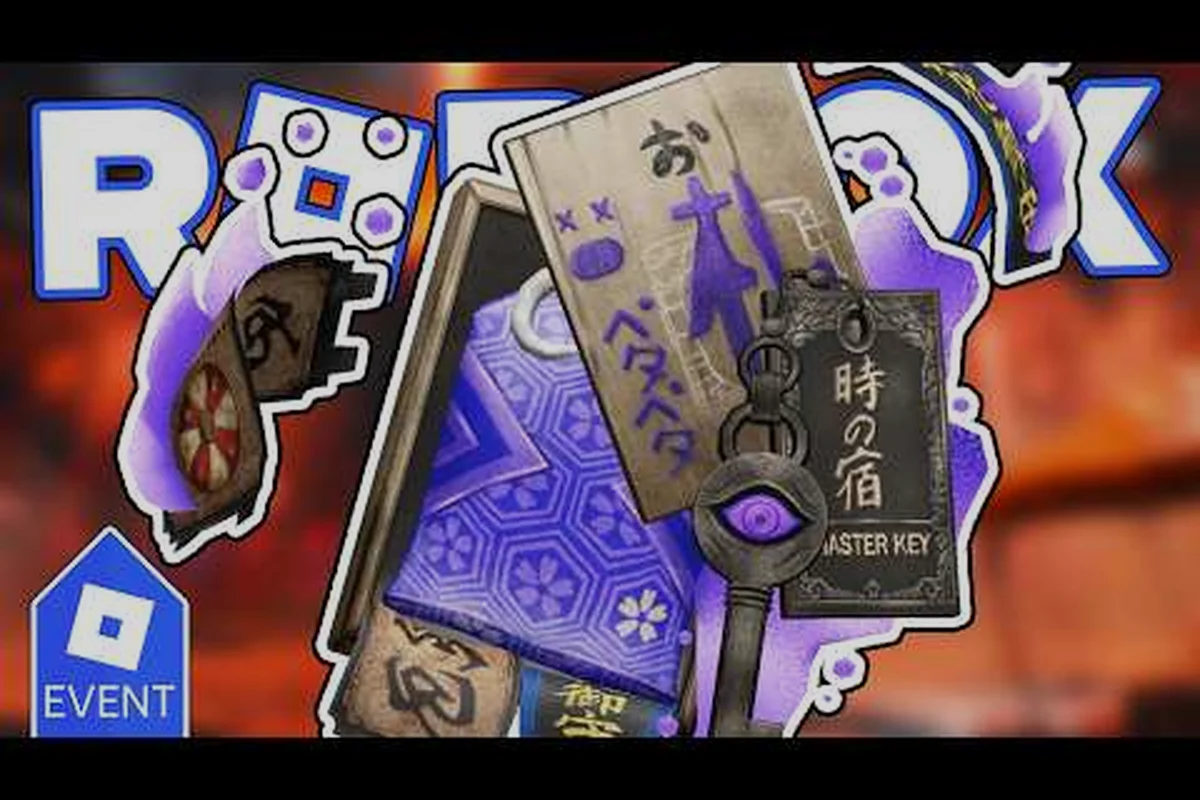
PETAPETA new content tends to arrive in waves, and the current wave centers on the Ofuda Survival Kit event alongside a fresh batch of stages and a reworked mode rotation. Knowing what actually shipped, what it rewards, and whether the servers are stable before you sit down to play saves you from wasting a session on a queue that never connects. This breakdown walks through the event steps, the new levels and modes, and the fastest ways to confirm PETAPETA server status and maintenance windows so you always log in prepared.
What the Ofuda Survival Kit Event Actually Asks You to Do
The Ofuda Survival Kit event is the headline piece of PETAPETA new content right now, and it is structured as a short multi-step questline rather than a single drop-in mode. According to community reports, the event is built around collecting paper talismans — ofuda — that spawn as pickups across specific stages, then converting them at a shrine node between runs. The conversion step is the part most players miss on their first attempt, because the shrine only appears after you clear a stage rather than sitting in the hub menu.
The event flow breaks down into four practical phases, and each one gates the next:
-
Talisman pickup phase — ofuda spawn in fixed locations on designated stages, so route memorization matters more than raw speed.
-
Shrine conversion phase — bank your collected talismans at the post-clear shrine to convert them into Survival Kit tokens.
-
Token spend phase — exchange tokens for event cosmetics, consumables, and one permanent unlock.
-
Completion phase — finishing all conversion tiers unlocks the event's final reward track.
The single most common failure point is hoarding talismans across too many runs. Because the shrine resets its stock between sessions, players who save up for a big batch often find their stockpile partially wiped. Community data suggests converting after every two or three clears is the safer rhythm.
| Event Phase | What You Do | Common Mistake | Recommended Cadence |
|---|---|---|---|
| Talisman pickup | Collect ofuda on designated stages | Skipping side routes for speed | Full clear, then collect |
| Shrine conversion | Bank talismans at post-clear shrine | Hoarding across many runs | Convert every 2-3 clears |
| Token spend | Buy cosmetics and the permanent unlock | Spending on consumables first | Prioritize permanent unlock |
| Completion | Finish all conversion tiers | Ignoring the final reward track | Check tier progress each session |
The permanent unlock is the only item in the event shop that carries forward after the event closes, which makes it the clear first purchase. Cosmetics and consumables are nice-to-have, but they vanish or expire, so treat them as a second pass once the unlock is secured.
How Long the Ofuda Event Stays Live
Event windows in this game have historically run for roughly three to four weeks, though the exact close date is announced in-game rather than on a public calendar. Players tracking the event should check the in-game notice board each session, since the countdown timer only appears there. If you are near the end of the window and still missing tiers, prioritize the conversion phase over cosmetic hunting — the permanent unlock is time-gated, the cosmetics are not.
PETAPETA New Levels Update: What Changed in the Stage Pool
The PETAPETA new levels update added stages that lean harder on vertical routing than the original pool, and the difference shows up immediately in how much time you spend climbing versus fighting. Based on community testing, the new stages introduce two recurring hazards: collapsing platforms that force a timed route, and shrine nodes placed behind optional detours that reward the talisman collection loop from the event. If you are still learning the base movement set, the difficulty modes explained breakdown is worth reading before you attempt the harder new stages, since the hazard density scales sharply with difficulty tier.
| New Stage Type | Signature Hazard | Rewards Tied to It | Difficulty Spike |
|---|---|---|---|
| Collapsing platform stages | Timed floor decay | Ofuda spawn clusters | Moderate |
| Shrine detour stages | Optional branching paths | Survival Kit tokens | Low |
| Vertical climb stages | Fall damage on mistimed jumps | Cosmetic fragments | High |
| Mixed hazard stages | Combined decay plus detours | Permanent unlock progress | Very high |
The mixed hazard stages are where most players hit a wall. They combine the timed decay of the platform stages with the branching detours of the shrine stages, which means you are making routing decisions under time pressure. A useful habit is to scout the full layout on your first attempt without worrying about the timer — the stage geometry stays fixed, so a single exploratory run pays for itself across every later attempt.
Route Planning for the New Stage Pool
Route planning on the new levels rewards a specific approach: clear the detour first, then push the main path. Because shrine nodes sit behind optional branches, grabbing them early means your remaining run is a straight line to the exit rather than a backtrack under a collapsing floor. Players who reverse that order consistently report losing talismans to the decay timer, and the loss is permanent for that run.
PETAPETA New Mode Update: Rotation and Unlock Changes
The PETAPETA new mode update reshuffled the rotation and adjusted how several modes unlock, which matters because the old unlock conditions no longer apply. The most notable change is that challenge-style modes now unlock through cumulative stage clears rather than a single milestone, so steady play across the new levels feeds directly into mode access. The challenge runs and mode unlocks guide covers the full unlock tree if you want the complete picture, but the short version is that the new stages are now the fastest route to opening the harder modes.
| Mode | Old Unlock Condition | New Unlock Condition | Best Use Case |
|---|---|---|---|
| Standard | Available at start | Available at start | Learning routes |
| Challenge | Single milestone clear | Cumulative stage clears | Testing consistency |
| No-hit variant | Clear a specific stage | Cumulative clears plus one clean run | Precision practice |
| Event mode | Not previously available | Tied to Ofuda event window | Talisman farming |
The no-hit variant is the one that catches people out, because the cumulative requirement means you cannot rush it with a single lucky run. It rewards players who have already internalized the new stage geometry, so treat it as a late goal rather than an early one. Event mode, meanwhile, is the most efficient place to farm talismans while the Ofuda window is open — the spawn density is higher there than on standard stages.
Why the Rotation Change Matters for Farming
Because event mode sits inside the rotation rather than as a separate menu entry, players who ignore the rotation screen miss the highest talisman yield in the game right now. Check the rotation each session; it cycles, and the event mode slot is not always active. When it is up, run it repeatedly and convert at the shrine between clears rather than stacking talismans indefinitely.
Checking PETAPETA Server Status and Maintenance Before You Queue
Nothing wastes a session faster than queuing into a maintenance window, and PETAPETA maintenance announcements are not always pushed to every channel at once. The reliable pattern is to check two places: the in-game notice board, which posts scheduled downtime first, and the official store page community hub, which mirrors the same announcements for players who are not currently logged in. If both are silent and you still cannot connect, the issue is more likely a local network problem than scheduled PETAPETA maintenance.
| Symptom | Likely Cause | First Check | Typical Fix |
|---|---|---|---|
| Cannot log in at all | Scheduled maintenance | In-game notice board | Wait for the posted window |
| Logs in, then disconnects | Server load spike | Community hub announcements | Retry after peak hours |
| Event mode missing | Rotation cycle | Rotation screen | Check next cycle |
| Shrine not appearing | Stage not cleared | Post-clear flow | Finish the stage first |
A useful habit is to check status before you commit to a long session rather than after you have already planned your route. Maintenance windows in this game have historically been short, but they are announced with limited lead time, so a quick glance at the notice board costs seconds and saves the frustration of a failed queue.
Reading Maintenance Announcements Correctly
Maintenance posts usually specify a start time and an expected duration, but the duration is an estimate rather than a promise. Community reports note that extensions happen most often around major content drops — which is exactly when the Ofuda event and new levels went live. If you are logging in on a content day, budget extra time and check back rather than refreshing repeatedly, since repeated connection attempts during downtime rarely speed anything up.
How to Sequence the New Content Without Burning Out
The new content drop is dense enough that trying to do everything at once is the fastest way to stall. A workable sequence is to learn the new stage geometry first, then layer in the event collection loop, then chase mode unlocks once your routes are stable. That order works because each layer depends on the one before it: talisman routes require stage knowledge, and mode unlocks require cumulative clears that only come from consistent play.
-
Session one — exploratory clears on each new stage type, no timer pressure, learn the detours.
-
Session two and beyond — full clears with talisman collection, converting at the shrine every two to three runs.
-
Later sessions — push cumulative clears toward mode unlocks, then attempt the no-hit variant.
-
Ongoing — check the rotation for event mode, and check status before long sessions.
The 2026 update timeline is a useful companion if you want to know what else is queued behind this drop, since the event window overlaps with other planned content. Sequencing matters more than speed here — a player who learns the stages properly will finish the event tiers well before the window closes, while a player who rushes the collection loop tends to lose talismans to avoidable mistakes.
Where the Permanent Unlock Fits In
The permanent unlock from the Survival Kit shop is the one reward that outlasts the event, so it deserves priority over everything else in the token economy. Once it is secured, the remaining tokens can go toward cosmetics without any strategic worry. Players who spend tokens on consumables first often find themselves short when the unlock tier opens, which is a purely avoidable setback given how the tiers are ordered.
Frequently Asked Questions
What is included in the current PETAPETA new content drop?
The drop centers on the Ofuda Survival Kit event, a set of new stages built around collapsing platforms and shrine detours, and a reworked mode rotation with adjusted unlock conditions. The event runs for a limited window, while the new stages and mode changes are permanent additions to the game.
How do I check PETAPETA server status before playing?
Check the in-game notice board first, since scheduled downtime posts there earliest, then cross-reference the official store page community hub if you cannot log in. If both are silent and connections still fail, the problem is likely local rather than server-side, so restart your client before assuming maintenance.
Does the Ofuda event require the new levels to complete?
Not strictly, but the new stages are the most efficient source of talismans because their shrine detours place spawn clusters along optional branches. Standard stages still drop talismans, just at lower density, so players who have not unlocked the new levels can still make progress at a slower pace.
How long do I have to finish the Survival Kit tiers?
Event windows have historically run three to four weeks, with the exact close date shown only on the in-game notice board countdown. Because the permanent unlock is time-gated and the cosmetics are not, prioritize conversion tiers over cosmetic purchases if you are running short on time.
Will my event tokens carry over after the event ends?
The current content wave rewards players who learn the new stage geometry before chasing rewards, convert talismans regularly instead of hoarding, and check server status before committing to a long session. Secure the permanent unlock early, treat event mode as your primary farming slot while the rotation includes it, and let cumulative clears open the harder modes naturally rather than forcing them. That sequence keeps the Ofuda Survival Kit event comfortable to finish well inside its window.