
Levels
Every level of PETAPETA explained in order — memory puzzles, chase patterns and the difficulty curve across all ten chapters from the opening floors to the finale.
Introduction
PETAPETA's main run is divided into ten levels that climb steadily in difficulty. The opening chapters teach the golden touch rule, the puzzle loop and the first chase; the middle chapters lengthen puzzle chains and make the monster's pursuit visibly more aggressive; the final stretch combines dense puzzles with long chases before a boss-style finale. Community playthroughs are consistent about the ten-level structure, although the developer has never published an official level list. This section maps each level, the puzzles it uses and the challenge that most runs fail on, so you know what to expect before you enter. New players often treat the run as a single marathon; this guide shows why that mindset fails and how level-by-level reconnaissance pays off.
Level Structure Overview
| Levels | Focus | Main Challenge |
|---|---|---|
| 1–3 | Touch rule, puzzle loop and first chase. | Learning to hide and to avoid contact. |
| 4–6 | Longer puzzle chains; more aggressive pursuit. | Solving fast without losing escape timing. |
| 7–9 | Dense puzzles and tight chases. | Routing patrols with almost no rest. |
| 10 | Final gauntlet and boss-style finale. | Surviving every mechanic in one stretch. |
Level Breakdown
Opening Floors (1–3)
The tutorial stretch where the touch rule and hiding are introduced
Middle Levels (4–6)
Where puzzles lengthen and the monster starts hunting harder — the middle stretch where puzzle chains lengthen and the monster's pursuit becomes visibly more aggressive, making route planning a real skill.
Hard Chapters (7–9)
The real difficulty gate of the whole run — the last third of the run, where dense puzzles and long chases form the true difficulty gate before the finale.
The Finale (10)
One extended gauntlet that ends like a boss fight — the final gauntlet combining every mechanic from the run, ending with the boss-style encounter and the game's ending.
Puzzle Rooms
The repeat-the-sequence rooms found in most chapters — the repeat-the-sequence rooms scattered through most chapters, where pacing every solution matters as much as accuracy.
Core Mechanics
Every PETAPETA level follows the same skeleton: explore a dark room set, solve repeat-the-sequence puzzles to progress and survive the chases that follow. The sequence puzzles require you to reproduce a pattern of actions exactly — and, per creator commentary, each correct answer pushes the monster's patience closer to its limit, so the run gets more dangerous as you solve. Chases are triggered by the monster's patrol or by a mistake such as touching a supernatural being. Later levels reuse the same mechanics but raise the stakes: more puzzle rooms, fewer hiding places and patrol routes that leave almost no rest between encounters.
Advantages
Knowing the level layout before stepping in removes most of the guesswork. You learn where the puzzle rooms sit, which hiding spots actually work during a chase and where the monster patrols, so you can advance with a plan instead of improvising every door. The ten-level breakdown also helps you set expectations: early levels reward cautious exploration, while the final chapters reward deliberate pacing. Players who study the level list consistently reach the ending faster and suffer fewer run-ending touches, because they already know where the danger concentrates. The ten-level map also sets realistic expectations: early levels reward caution, the middle levels test your puzzle rooms and the final stretch tests everything together.
Challenges
No official level list exists, so the ten-level structure is drawn from dozens of consistent community playthroughs rather than a developer document. The exact boundaries can blur in longer videos, and a few runs splice or skip levels, which occasionally makes counts confusing for new players. Level difficulty labels are community estimates too — the game does not print a difficulty rating on each chapter. As a result the level guide is a strong community map, but players should always confirm current behavior against the latest version of the game, especially after event updates like The Hollow. Treat difficulty labels as orientation signals rather than official ratings, and re-check the current build after any event that touches the map.
Frequently Asked Questions
How many levels does PETAPETA actually have?+
Which levels are the hardest?+
Do I need to beat every level in one run?+
Quick Tips
Learn each level's puzzle rooms before attempting the finale. The sequence puzzles are the mechanic most players misjudge: they look like memory tests, but the real skill is pacing. Visit the puzzle rooms in an early practice run, note where the pattern appears and where the monster waits, then come back ready to solve calmly. Once you know the puzzle loops, later levels become a routing exercise rather than a blind scramble, and the finale is far less intimidating when every room is familiar.
Adopt a one-run-per-level learning cadence. PETAPETA resets you on failure, so treat each death as data: note which hiding spot failed, which patrol gap was too narrow and which puzzle chain broke your pace. After two or three recon runs per chapter, marry the maps into a single full clear attempt. This cadence is slower in the moment but consistently produces cleaner final runs than rushing straight into Level 10.
Use the middle chapters to practice escape timing, not just puzzle accuracy. The sequence puzzles in Levels 4–6 are the best place to learn how long you can safely solve before the monster commits to a chase. Time your solves, notice when the patrol angle starts closing, and build the habit of moving before the window fully shuts. That timing instinct is precisely what Levels 7–9 punish if you never trained it.
Featured

PETAPETA level 1: clear levels 1, 2 and 3 without dying
Stuck on the opening floors? Follow this PETAPETA level 1 walkthrough through levels 2 and 3, with safe routes past the first chase and puzzle.
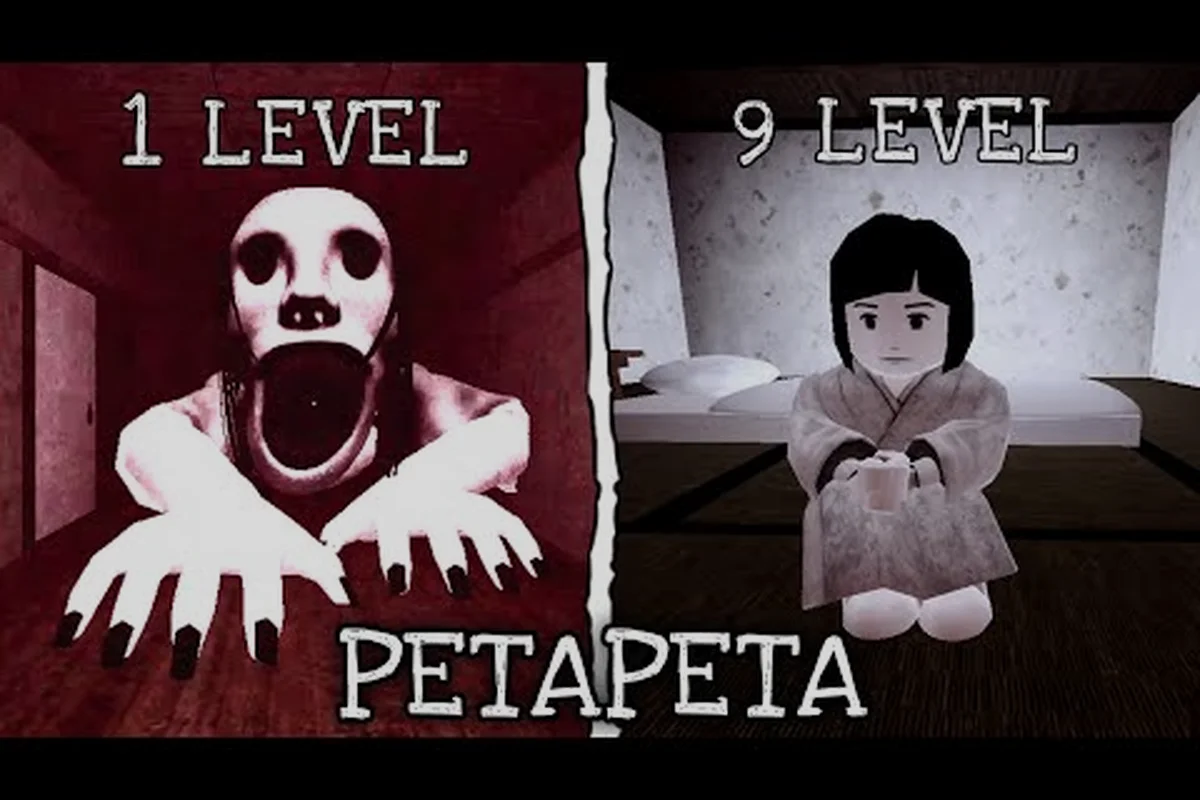
PETAPETA all levels: the full list, count and progression order
See PETAPETA all levels laid out in order, learn how many stages exist, and follow the progression route that carries you from the first scare to the finale.

PETAPETA chapter guide: every chapter and stage in order
Map the whole game with this PETAPETA chapter guide, covering all chapters in order and what each stage adds before you dive into the next one.
All Articles

PETAPETA level 4 walkthrough: stages 4, 5 and 6 puzzle chains
Learn how PETAPETA level 4 raises the stakes, plus the level 5 and level 6 routes that dodge the faster chases and solve each sequence puzzle on the first try.
PETAPETA level 7 walkthrough: survive levels 7, 8 and 9
Discover how PETAPETA level 7 tightens the chase, then follow the level 8 and level 9 routes that keep you one step ahead of the monster before the finale.

PETAPETA level walkthrough: speedrun routes and 100% completion
Chase the clock with a PETAPETA level walkthrough built for speed: the fastest routes through every floor, the shortcuts that save seconds, and how to finish 100%.

PETAPETA level 10 guide: beat the final boss and see the ending
Face PETAPETA level 10 with a clear plan: the final boss tells, the safe windows between attacks, and the final choice that decides which ending you unlock.