
Story & Lore
The story threads and urban legends behind PETAPETA — Japanese horror themes, the series timeline, folklore ties and the endings players can reach.
Introduction
Under the jump scares, PETAPETA carries a quiet Japanese horror ambience built on folklore, tension and the series' recurring themes. The core premise — a supernatural being you must never touch — echoes Japanese urban legends where a seemingly harmless presence becomes deadly the moment you interact with it. Community writers tie PetaPeta itself to figures such as Teke-Teke, a Japanese legend of a half-body spirit, while the series timeline connects PETAPETA to later Omochi Studio works. This section gathers the lore, urban legends, series background and the endings players have documented across the game.
Story, Folklore & Series At a Glance
| Thread | Detail | Community Status |
|---|---|---|
| The Touch Rule | Never touch a supernatural being — the game-defining taboo. | Core |
| Urban Legends | Fans tie PetaPeta to Teke-Teke and other folklore. | Speculative |
| Series Timeline | PETAPETA, then PETAPETA 3 and School of Nightmares. | Confirmed |
| Endings | Documented ending after the final boss-style encounter. | Partial |
Lore Threads
The Touch Rule
The taboo that defines the whole game
Urban Legends
Why fans compare PetaPeta to Japanese folklore
Series Timeline
PETAPETA and the Omochi Studio horror family
Endings
What players find at the end of the gauntlet
Core Mechanics
Lore in PETAPETA is delivered through environment, level mood and the escalating threat rather than long cutscenes. The touch rule is the clearest storytelling device: the game's single rule mirrors the logic of Japanese folk tales where the taboo, once broken, turns tragedy into chase. The series timeline expands this world — PETAPETA came first, followed by sequels such as PETAPETA 3: Cursed Mine Island and the related School of Nightmares, which share Omochi Studio's horror vocabulary. Story details are largely community-collected since the developer does not publish extended lore documents, so interpretations vary.
Advantages
Knowing the lore makes the horror richer and more coherent. The touch rule stops reading as an arbitrary restriction and starts reading as an effective folk-tale taboo, which changes how tense each room feels. The urban-legend angle supplies the 'why' behind PetaPeta's design — a bottom-half phantom, a forest spirit, a folded-paper ghost — and the series timeline gives you context when a new Omochi Studio horror appears. For content creators and casual readers alike, the story section turns scattered screenshots into a readable narrative spine.
Challenges
Almost all PETAPETA lore is community interpretation. There is no official lore bible, so the Teke-Teke connection and similar folk-tale links are fan speculation, however well-researched. The series timeline is sound at the macro level (PETAPETA came first, then the sequel and spin-off ideas), but readers must be careful not to treat the sequels — like PETAPETA 3: Cursed Mine Island and School of Nightmares — as part of this game's placeId; they are separate Omochi Studio projects. Endings and lore beats are documented from playthroughs and can shift with updates.
Frequently Asked Questions
Is PETAPETA based on a real urban legend?+
Are the sequels part of the same game?+
What endings does PETAPETA have?+
Quick Tips
Look at the level mood as the primary lore channel. PETAPETA tells its story through atmosphere: the dark corridors, the paper-thin monster, the quiet sting before a scare and the Japanese horror framing are the actual text of the game. When you play, notice how each chapter builds on the last — the escalation mirrors the folklore logic of the touch rule, where avoiding contact is only the beginning of the tension. Reading the lore section after a full run makes the echoes much easier to spot.
Read the urban-legend connections as flavor, not fact. Fans tie PetaPeta to Japanese folklore figures such as Teke-Teke, and the parallel is useful — it explains the never-touch rule in folk-tale terms and deepens the horror. But Omochi Studio has never confirmed any single folk inspiration, so treat every folklore link as informed player analysis. Enjoy the flavor, use it to feel the mood, and avoid repeating urban-legend claims as if they were developer-confirmed canon.
Keep the series timeline at the level of lore, and never let it leak into the game's own maps. The related Omochi Studio titles — PETAPETA 3: Cursed Mine Island and School of Nightmares — share the studio's style but are separate projects with separate place IDs. When discussing lore, mention them as series background; when giving gameplay advice, keep the guide strictly inside the PETAPETA run so readers never confuse a sequel map or mechanic with something that belongs to the original ten levels.
Featured
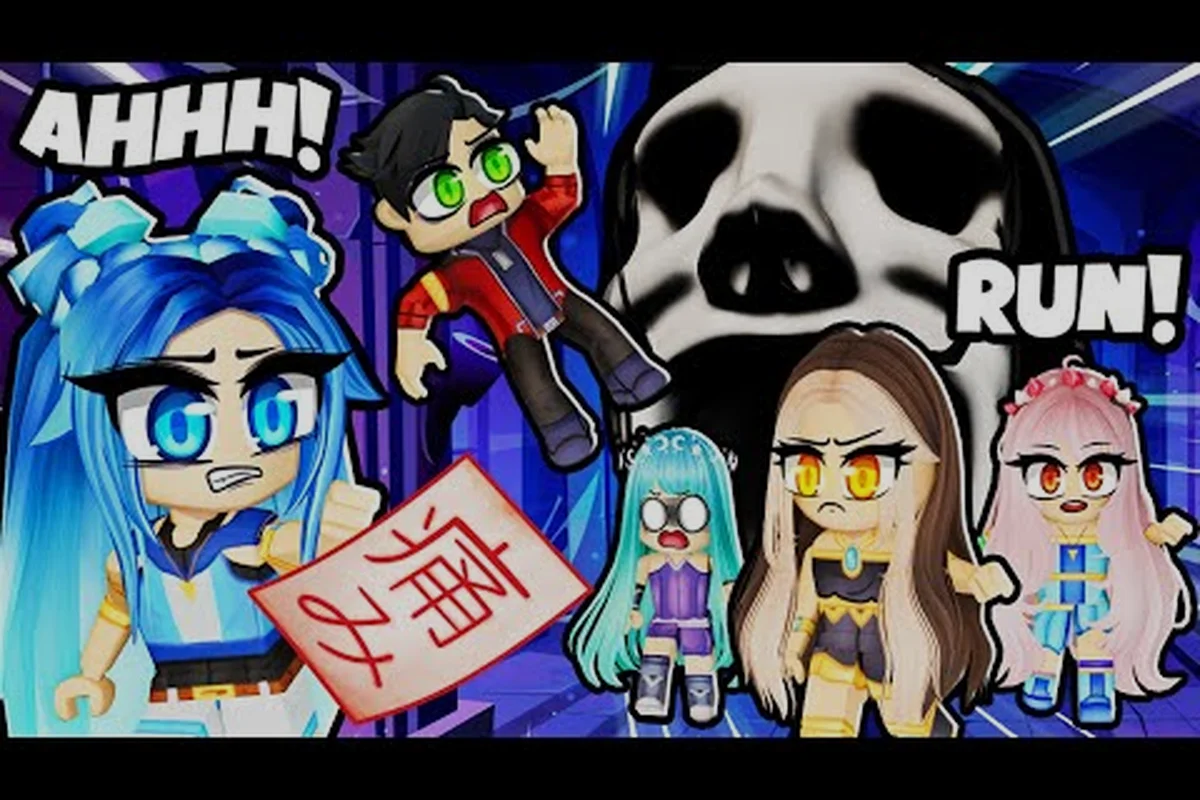
PETAPETA Japanese horror: Teke Teke and the folklore behind it
Explore PETAPETA Japanese horror roots, from the Teke Teke legend of the halved woman to the urban legends that shaped the game's crawling monster.
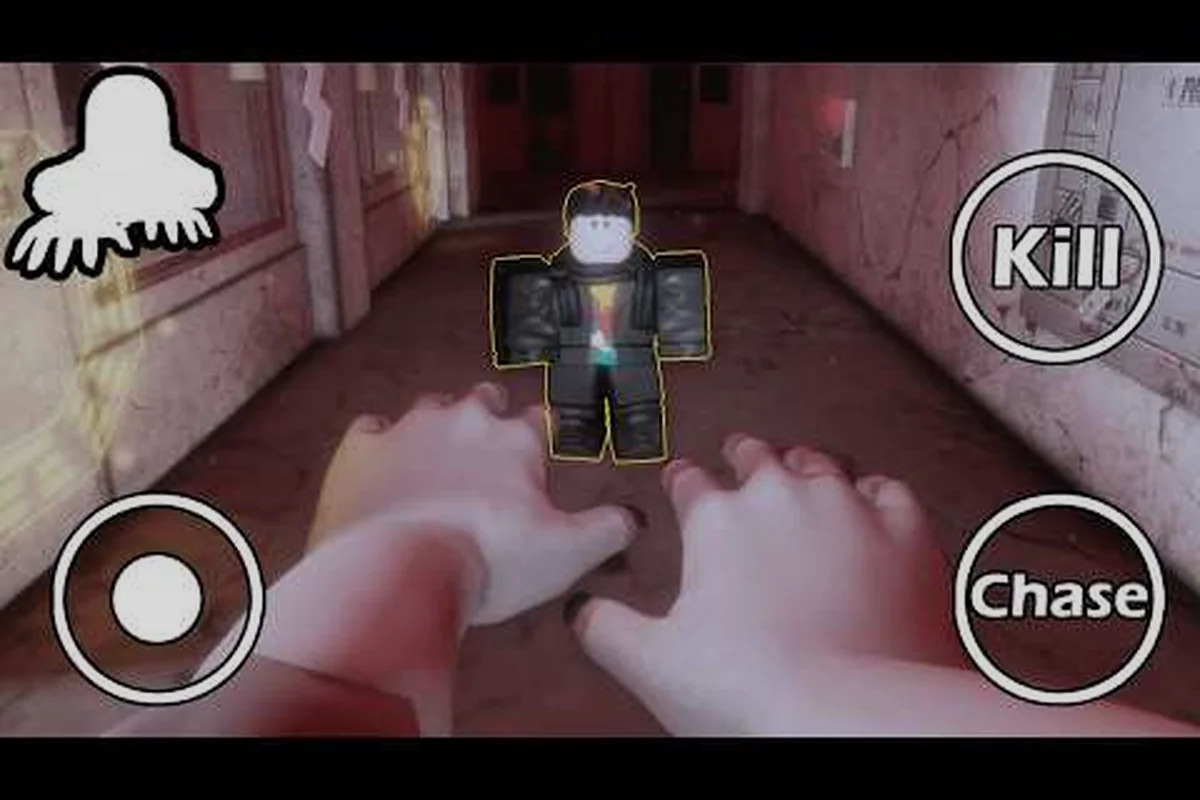
PETAPETA backstory and name origin: what the title means
Unpack the PETAPETA backstory and name origin, tracing the horror setting and game world details that explain what PETAPETA really means.
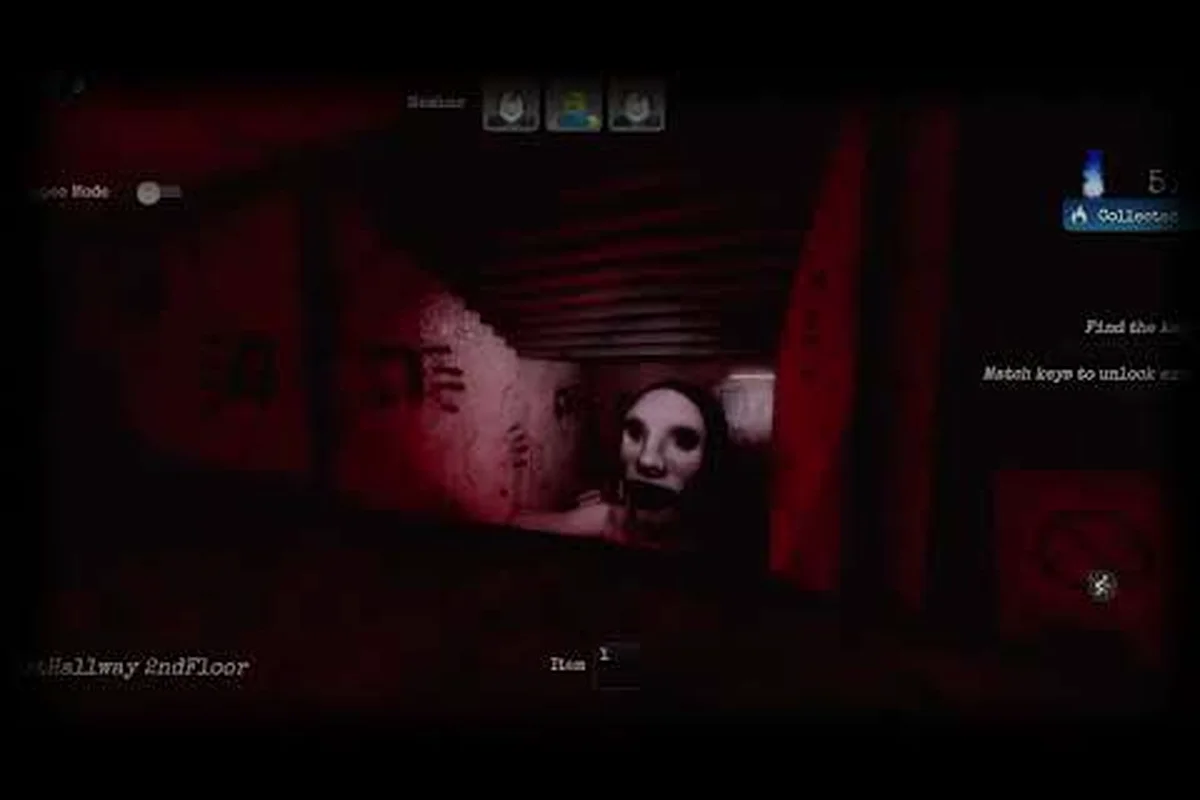
PETAPETA Game Series Timeline: Story Order and What Comes Next
Follow the PETAPETA game series in order, from the original horror experience to School of Nightmares, and see where each entry sits and what a sequel could bring.
All Articles
PETAPETA story explained: levels 1 to 9 and what it all means
Follow the PETAPETA story from level 1 to the finale and see how each floor, chase and badge ties into the larger mystery.
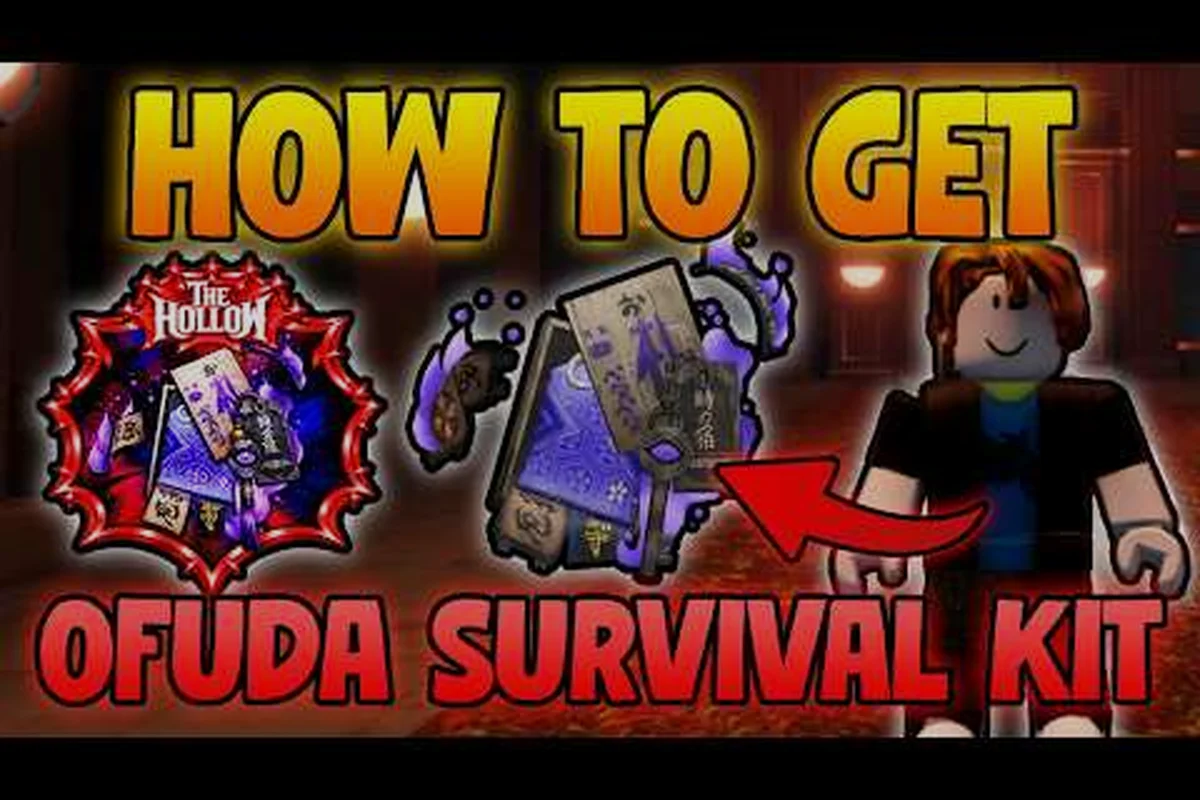
PETAPETA ghost story: curses, supernatural beings and the rules
Dive into the PETAPETA ghost story and its cursed world: which supernatural beings stalk the halls, how the curse spreads, and the rules that bind them.
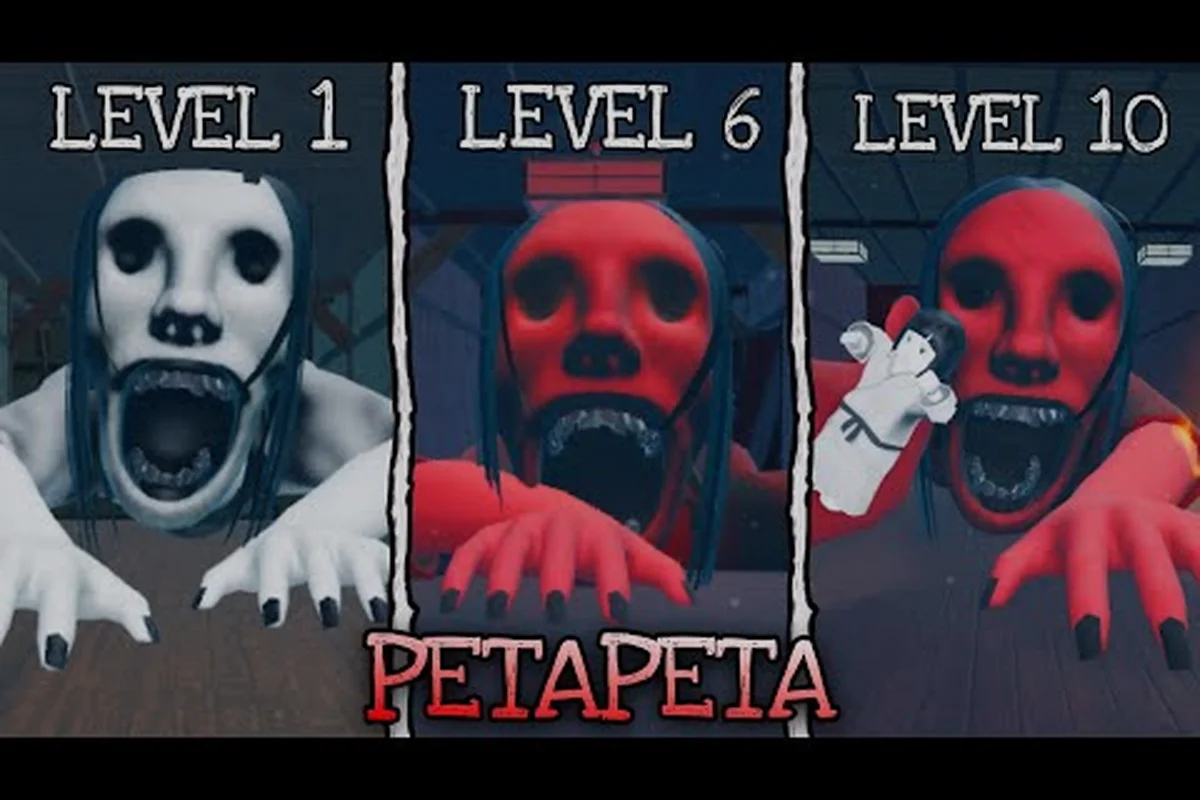
PETAPETA Fan Theories: Hidden Lore and Multiple Endings Explained
Explore the biggest PETAPETA fan theories, from hidden lore clues to what each ending really means, and see which story interpretation holds up best.
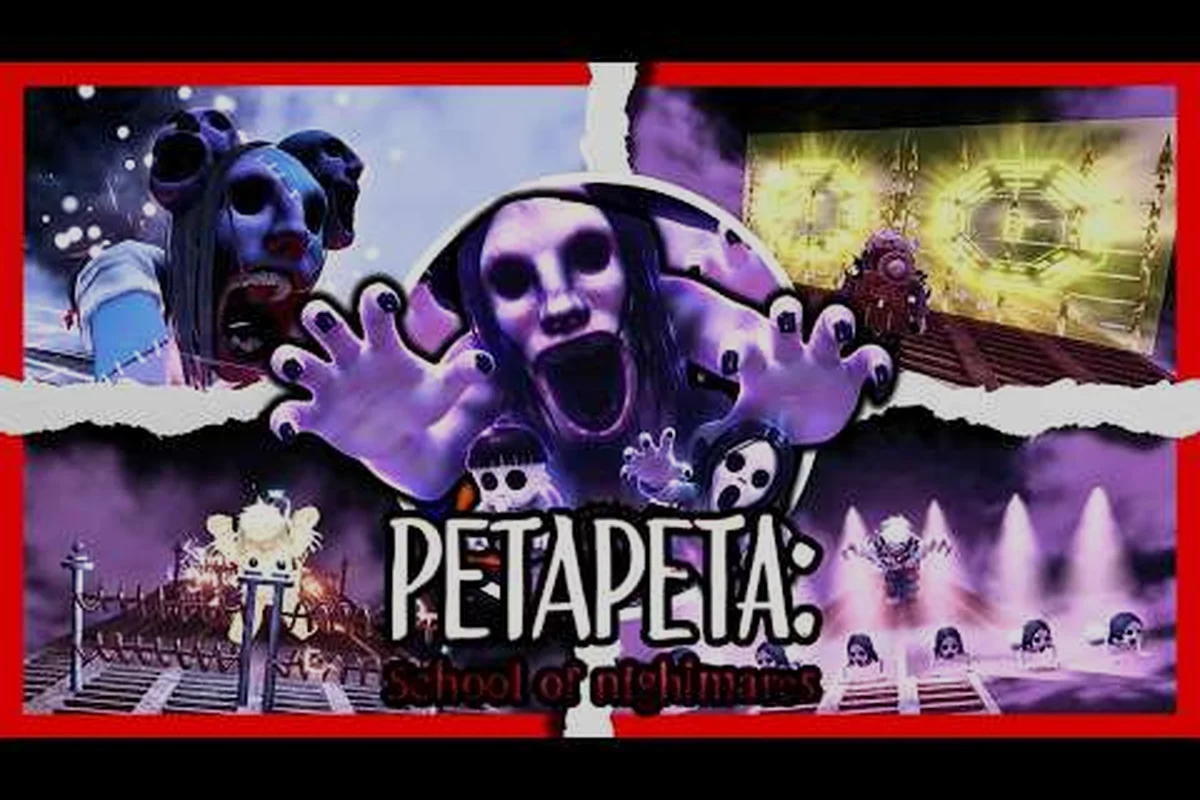
PETAPETA School of Nightmares and Cursed Mine Island Lore
Dive into PETAPETA School of Nightmares lore and Cursed Mine Island, exploring the six levels, the new settings, and how the sequel expands the PETAPETA 3 story.