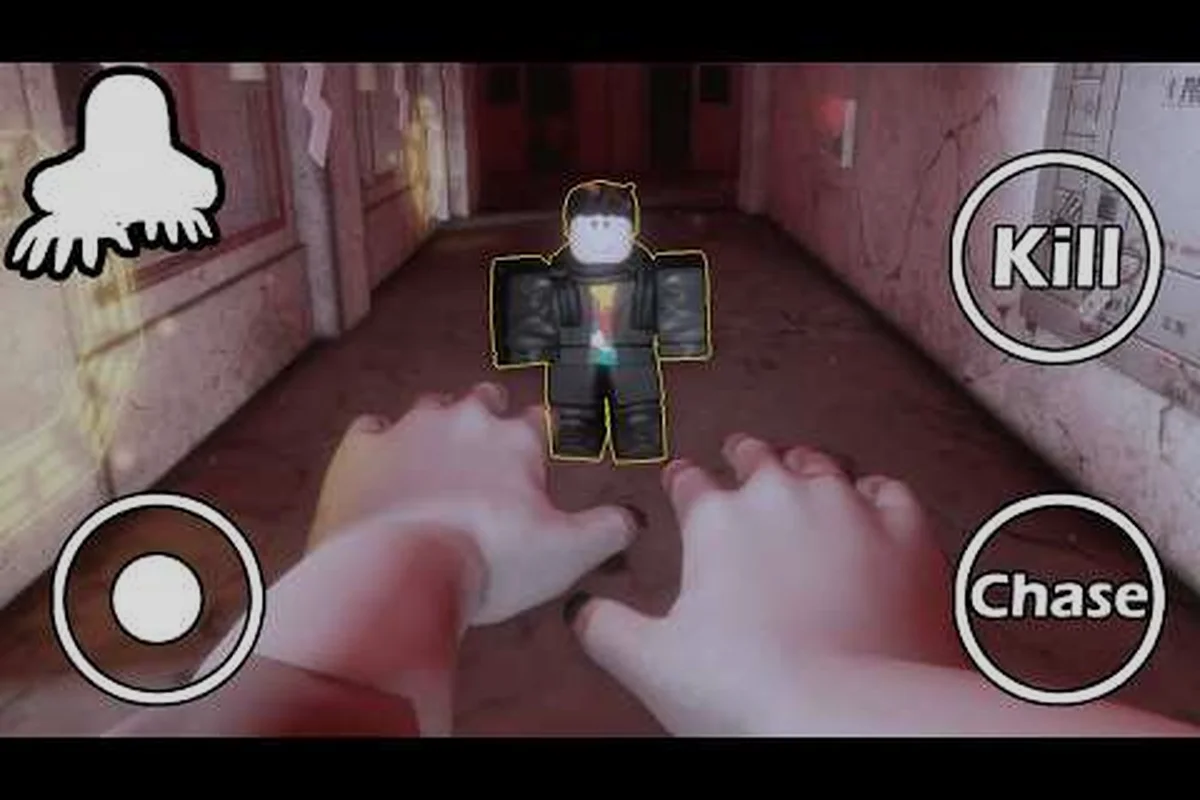
The PETAPETA transformation is the single mechanic that flips this horror game on its head: touch the monster and you stop being the one running. Understanding what happens if you touch the monster — and how the boss monster and final monster forms differ — changes how you play every encounter, because the touch rule is not a death sentence but a doorway.
What the PETAPETA Transformation Actually Does
The core loop of PETAPETA is built on a simple, brutal rule: contact with the creature triggers a change in your character. Most players expect a game over screen the first time it happens, so the actual result catches them off guard. Instead of ending your run, the touch rule hands you a different body, a different moveset, and a different set of goals for a short window.
Community reports describe the shift as a state swap rather than a punishment. Your human avatar is replaced by a monster form, and the game re-tunes your controls around that form. The tension comes from the fact that the swap is temporary and the timer is not shown in a friendly, obvious way.
Here is how the PETAPETA transformation behaves in broad strokes, based on player experience: the swap is not a random curse but a scripted handoff of your entire control scheme. In monster form your human dodge-roll is replaced by a heavier lunge, your light attack chain gains extra reach at the cost of startup frames, and the camera pulls back to frame the larger hitbox — meaning muscle memory from your human moveset actively works against you until you re-learn the timing. Because the window is fixed and unmarked, most players burn the first few seconds testing buttons instead of repositioning, which is exactly the vulnerable stretch the reversal drops you back into.
-
Trigger: direct physical contact with the monster's body, not just its attack hitbox in every case
-
Duration: a short, fixed window that ends on its own
-
Control change: movement speed, attack options, and camera behavior all shift
-
Reversal: the form expires and returns you to human control, usually in a vulnerable spot
The important takeaway is that the PETAPETA transformation is a designed mechanic, not a bug or a hidden easter egg. The game wants you to touch the monster at least once so you can experience the other half of its design.
Why the Touch Rule Exists
Design-wise, the touch rule solves a problem that many horror games struggle with: keeping the monster threatening without making every encounter a binary win-or-lose. By converting contact into a transformation, the developer turns your worst moment into a new toy to play with. Players who lean into this report that the game becomes far less frustrating once they stop treating contact as failure.
The mechanic also feeds the game's identity. The name itself hints at the flip — you are meant to become the thing you fear. Once you internalize that, the pacing of every chase scene reads differently, because you start looking for safe moments to trigger the swap on purpose rather than avoiding it at all costs.
How to Become PETAPETA: Step by Step
Learning how to become PETAPETA is less about a secret input and more about positioning. The transformation is contact-driven, so the real skill is engineering a touch on your own terms instead of getting caught off guard. The table below breaks down the practical steps players use.
| Step | Action | Why It Matters |
|---|---|---|
| 1 | Locate the monster and track its patrol path | Predictable movement lets you choose the contact moment |
| 2 | Clear nearby hazards before approaching | You return to human form in the same area |
| 3 | Approach from the side or rear | Frontal contact often chains into an attack first |
| 4 | Make deliberate contact with the body | Confirms the trigger rather than a glancing hit |
| 5 | Use the monster window immediately | The form is short, so plan your actions in advance |
The biggest mistake new players make is treating step one as optional. If you do not know where the creature is, you cannot control when the swap happens, and an uncontrolled swap usually dumps you back into human form in the middle of open ground. Reading the monster's route first is what separates a clean transformation from a chaotic one.
Timing the Contact
Timing matters more than raw courage. Contact during a chase tends to happen at the worst possible angle, which means you enter the monster form already cornered. Contact during a calm patrol, by contrast, gives you a full window to explore the new moveset and reposition before the timer runs out.
Players who have practiced the swap recommend triggering it in rooms with multiple exits. That way, when the form expires, you are not trapped against a wall. The escaping and hiding guide covers how to read exits and sound cues, which pairs naturally with deliberate transformation attempts.
What Happens If You Touch the Monster: Form by Form
The answer to what happens if you touch the monster depends entirely on which creature you touched. PETAPETA does not use one universal transformation — the game scales the experience with the threat level of the monster involved. The table below summarizes the differences players have documented.
| Monster Type | Transformation Feel | Duration | Risk on Reversal |
|---|---|---|---|
| Standard monster | Light, fast, limited attacks | Short | Low, easy to reposition |
| Mid-tier threat | Stronger attacks, slower movement | Medium | Moderate, area may be contested |
| Boss monster | Heavy, high damage, wide reach | Longer | High, often near hazards |
| Final monster | Full power, unique abilities | Longest | Severe, endgame stakes |
The pattern is clear: the more dangerous the creature, the more powerful and the more punishing the resulting form. Touching a standard monster is almost a tutorial for the mechanic, while touching the boss monster is a commitment that can decide a run.
The Boss Monster Difference
The PETAPETA boss monster transformation is where the mechanic stops being a novelty. According to community reports, boss-tier contact grants a form with genuinely threatening offense, letting you turn the tables on other threats in the area. The trade-off is that the window is longer, which sounds good until you realize you are locked into the form while the environment keeps moving.
Reversal from a boss form tends to drop you near the arena's hazards, so players who plan ahead clear a safe pocket before making contact. The level 10 and finale guide is worth reading before you experiment with boss-tier touches, since the endgame layout punishes careless reversals far more than early areas do.
The PETAPETA Final Monster and Endgame Stakes
The PETAPETA final monster represents the peak of the touch mechanic. Everything the game teaches you about contact, timing, and form control converges here, and the transformation window is the longest in the game. That length is both a gift and a trap: you get more time to act, but you also spend more time unable to do the human things you might suddenly need.
Players describe the final monster touch as the moment the game asks whether you have actually learned the mechanic or merely survived it. If you have been avoiding contact all game, the final form will feel alien and clumsy. If you have been practicing deliberate swaps, the final form feels like a reward — a toolkit you already know how to use.
Preparing for the Final Touch
Preparation for the final monster encounter looks different from earlier areas because the PETAPETA swap itself is irreversible mid-transformation — you commit to the monster form and only revert on contact with a valid target. That is why the table below ranks a cleared reversal zone above raw damage output: experienced players treat the human-form return point as the single most important pre-fight decision, since you reappear exactly where you touched the monster. Learn the boss's attack rhythm next, because every touch must be intentional, and stock any recovery consumables the game permits so a failed reversal does not end the run.
| Priority | Preparation | Reason |
|---|---|---|
| High | Clear a safe reversal zone | You return to human form in place |
| High | Learn the monster's attack rhythm | Contact must be intentional |
| Medium | Stock any consumables the game allows | Human form may need recovery |
| Medium | Map all exits in the arena | Escape routes matter after reversal |
| Low | Practice on standard monsters first | Builds muscle memory for the form |
The final monster form is not a guaranteed win button. It is a tool with a cost, and the cost is control. Treat it like a resource you spend at the right moment, not a panic button you mash when things go wrong.
Reading the Monster Before You Touch It
The transformation mechanic rewards information. Before you ever make contact, you should understand what you are touching, because the form you receive mirrors the creature's behavior. A fast, erratic monster gives you a fast, erratic form. A slow, heavy boss gives you weight and reach.
The PETAPETA monster guide breaks down the full roster, and reading it before an encounter is the cheapest way to predict what a touch will do. Players who know the roster in advance can choose which monster to touch based on the form they want, rather than taking whatever contact happens to occur.
Sound Cues and Approach Angles
Audio is your best early-warning system. Each creature has a distinct set of sound cues that telegraph its position and mood, and those cues also tell you when a touch is safe. A calm patrol sounds different from an active hunt, and the difference is your window of opportunity.
Approach angles matter just as much. Coming from behind reduces the chance that contact registers as an attack instead of a transformation trigger. Coming from the front during an active hunt usually means you get hit first and transformed second, which is the worst of both outcomes.
Common Mistakes With the Touch Mechanic
Most frustration around the PETAPETA transformation comes from a handful of repeatable errors, and each one traces back to a single decision at the moment of contact rather than to raw execution. The touch mechanic resolves instantly: the frame you make contact determines which monster form you inherit, and that form then runs on a fixed timer before snapping you back to human. Because the outcome is locked in at the touch itself, a mistimed or misjudged approach cannot be salvaged by good movement afterward — you are simply stuck with the wrong form in the wrong place until the window closes. Fixing these errors is faster than grinding practice, because each one is a decision problem rather than a skill problem.
-
Avoiding contact entirely — you never learn the form, so the endgame feels unfair
-
Touching during a chase — you enter the form already cornered
-
Ignoring the reversal spot — you return to human form in open ground
-
Wasting the window — the form expires while you are still figuring out controls
-
Touching the wrong monster — you get a form that does not suit the situation
Each of these is avoidable with a little planning. The transformation is generous once you understand it, but it punishes passivity and panic equally. A short practice session on standard monsters builds the muscle memory that makes boss and final monster touches feel controlled rather than chaotic.
Frequently Asked Questions
Does touching the monster kill you in PETAPETA?
No. Contact triggers the PETAPETA transformation instead of an instant game over, swapping you into a monster form for a limited window. The danger comes from where you return to human form afterward, not from the touch itself, which is why positioning before contact matters so much.
How long does the transformation last?
Duration scales with the monster's threat level. Standard monsters give you a short window, mid-tier threats last longer, and the boss monster and final monster forms run the longest. Because the timer is not prominently displayed, players should plan their actions before making contact rather than reacting after.
Can you choose which monster to become?
You cannot pick a form from a menu, but you can influence it by choosing which creature to touch. Since each monster grants a form that mirrors its behavior, tracking patrol routes and selecting your contact target is the practical way to control the outcome.
Is the final monster form stronger than the boss form?
Yes, generally. The final monster grants the most powerful and longest-lasting form in the game, along with unique abilities. The trade-off is a harsher reversal, so clearing a safe zone before the endgame touch is strongly recommended by experienced players.
Should I touch the monster on purpose?
Deliberate contact is the better habit. Controlled touches let you learn the moveset, choose your reversal spot, and prepare for boss and final monster encounters. Accidental contact during a chase usually leaves you cornered when the form expires, which is the opposite of what you want.