
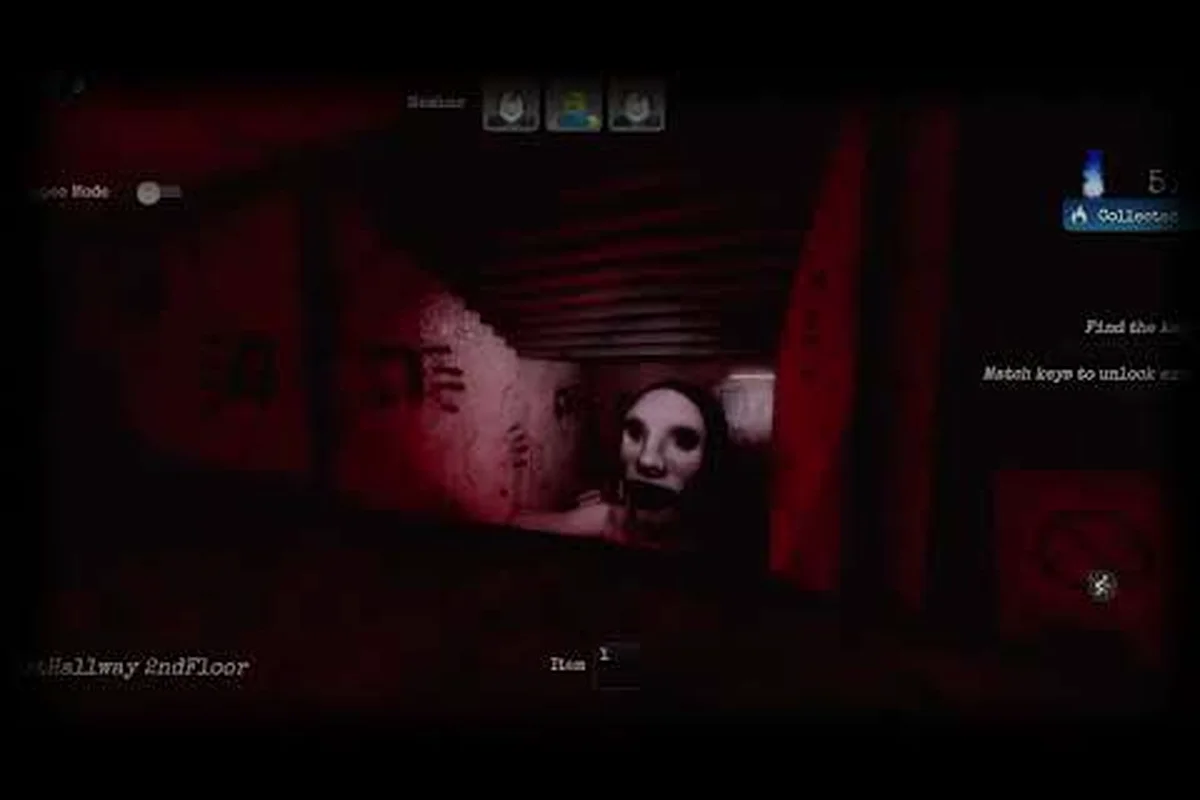
The PETAPETA game series has grown from a single unsettling horror experience into a small connected universe, and figuring out the right play order can be surprisingly tricky. Understanding the PETAPETA series timeline matters because each entry builds on the last, layering lore, characters, and supernatural rules that only click when you experience them in sequence.
For a closer look at how the series presents its core mechanics, the official PETAPETA gameplay footage offers a direct demonstration of these systems in action, as shown in this PETAPETA gameplay video.
Why the PETAPETA Series Order Confuses New Players
The biggest source of confusion is that the PETAPETA game series didn't release in a neat, numbered line. Instead, the developer built out the universe in stages, adding spin-off content, seasonal events, and expanded story chapters that don't always match the release calendar. Players who jump in through a random Roblox recommendation often start mid-story and then wonder why the narrative feels fragmented.
Community reports consistently show that newcomers who follow the intended PETAPETA series order enjoy the horror beats far more, because the scares and reveals are paced for someone who already understands the world's rules. The timeline below reflects how the entries connect narratively rather than strictly by launch date.
-
Original horror experience — establishes the core curse and the first haunted setting
-
Expanded story chapters — deepens the lore and introduces recurring supernatural entities
-
School of Nightmares — a full narrative arc that recontextualizes earlier events
-
Seasonal and event content — side stories that fill gaps without breaking the main line
The key takeaway is that the PETAPETA series timeline is best treated as a story-first sequence. If you play purely by release date, you'll still follow the broad strokes, but a few reveals land out of order and lose their punch.
The PETAPETA Series Timeline in Story Order
Here's the practical breakdown of the PETAPETA series timeline as the community understands it. Each entry below is placed by narrative chronology, with notes on what it contributes to the larger story. This is the order most lore-focused players recommend for a first full playthrough.
| Position | Entry | Story Role | Key Contribution |
|---|---|---|---|
| 1 | Original horror experience | Foundation | Introduces the curse and the first haunted location |
| 2 | Early story chapters | Escalation | Expands the supernatural rules and recurring entities |
| 3 | School of Nightmares | Core arc | Reframes earlier events and deepens character motives |
| 4 | Seasonal / event content | Side stories | Fills narrative gaps and teases future threads |
Entry 1: The Original Horror Experience
The original release sets the tone for everything that follows. It introduces the central curse that defines the PETAPETA universe, and it establishes the atmosphere of dread that later entries build on. According to community discussion, this entry is deliberately sparse on explanation, which is why many players finish it with more questions than answers. That ambiguity is intentional, and it's the hook that pulls you into the rest of the PETAPETA game series.
If you want to understand the supernatural mechanics at play, the ghost story and curse lore breakdown explains how the haunting rules work across entries. That breakdown is worth reading before you move on to later titles, because the original entry only hints at the curse's trigger conditions and the rules governing how the haunting escalates, leaving the finer points for you to piece together from environmental clues rather than explicit exposition. Understanding those underlying rules early makes the deliberate ambiguity of this first entry read as design rather than oversight, and it gives you a framework for spotting how each subsequent PETAPETA game series entry revises or extends the curse lore.
Entry 2: The Expanded Story Chapters
The story chapters take the foundation from the original and widen it. Here, the PETAPETA series timeline starts to branch, introducing recurring entities and fleshing out the rules of the curse. Players who rush through this section often miss the connective tissue that makes the later reveals land. Taking your time with the chapter and stage order helps you track which events feed into the School of Nightmares arc.
Entry 3: School of Nightmares
School of Nightmares is the narrative centerpiece of the PETAPETA game series so far. It takes the established curse and pushes it into a new setting, recontextualizing earlier events in a way that rewards players who followed the story order. This is the entry most often cited in community discussions as the moment the series "clicked" for them, because the lore finally connects into a coherent whole.
Entry 4: Seasonal and Event Content
Seasonal content sits outside the main spine but still matters for the timeline. These side stories fill gaps, introduce minor characters, and plant seeds for whatever comes next. They're optional for understanding the core plot, but lore hunters treat them as canon-adjacent material worth experiencing.
How Each PETAPETA Entry Connects to the Next
The connective tissue of the PETAPETA game series is the curse itself. Every entry examines it from a slightly different angle: the original shows its effects, the story chapters explain its rules, and School of Nightmares explores its origins and consequences. Understanding that progression is what makes the PETAPETA series timeline feel like a single story rather than disconnected horror vignettes.
| Connection Point | From | To | What Carries Over |
|---|---|---|---|
| The curse's origin | Original | Story chapters | Core haunting rules |
| Recurring entities | Story chapters | School of Nightmares | Character motives and threats |
| Unresolved threads | School of Nightmares | Seasonal content | Future story seeds |
A useful way to think about it: the original asks "what is happening," the chapters ask "why is it happening," and School of Nightmares asks "what does it mean." That escalation is the backbone of the PETAPETA series order, and it's why playing out of sequence dulls the impact of each reveal.
Where a PETAPETA Sequel Could Go Next
Speculation about a PETAPETA sequel is one of the most active topics in the community, and the existing timeline leaves plenty of room to grow. The unresolved threads from School of Nightmares and the seasonal content both point toward a continuation, though nothing official has been confirmed as of this writing. Based on how the story is structured, a sequel would likely do one of three things.
-
Resolve the curse's origin — a direct continuation that answers the questions the original deliberately left open
-
Shift perspective — a new protagonist experiencing the same curse from a different angle
-
Expand the setting — a fresh haunted location that connects back to established lore
Each option fits the established PETAPETA series timeline without contradicting it. The safest bet, based on community analysis, is a continuation that ties the School of Nightmares threads into a larger confrontation, since that arc introduced the most unresolved plot points.
What to Watch For Before a PETAPETA Next Game Announcement
Players tracking the PETAPETA next game should keep an eye on the developer's official channels and seasonal event teases, which have historically hinted at future content. The Omochi Studio developer profile covers the studio's release patterns and how they've expanded the universe so far, which is a useful signal for what might come next.
Comparing the Entries at a Glance
For players deciding where to start or which entry to revisit, a side-by-side comparison helps. The table below summarizes how each part of the PETAPETA game series differs in focus, difficulty, and lore density, based on community consensus.
| Entry | Horror Focus | Lore Density | Best For |
|---|---|---|---|
| Original | High | Low | First-time players wanting pure atmosphere |
| Story chapters | Medium | Medium | Players who want the rules explained |
| School of Nightmares | Medium | High | Lore hunters and completionists |
| Seasonal content | Variable | Medium | Returning players filling gaps |
The pattern is clear: the series front-loads atmosphere and back-loads explanation. That's a deliberate design choice, and it's why the PETAPETA series order rewards patience. If you binge the entries out of sequence, you get the scares without the payoff.
Practical Tips for Following the Timeline
Following the PETAPETA series timeline doesn't require a spreadsheet, but a little planning goes a long way. The series order isn't strictly enforced by the games themselves, so nothing stops you from jumping straight into School of Nightmares — but doing so means missing the mechanical groundwork laid in the original PETAPETA, where core systems like the loop-reset mechanic and nightmare-tier scaling are first introduced. Players who start mid-series often hit a difficulty wall around the third chapter because later entries assume familiarity with these systems rather than teaching them. These tips come from community experience and reflect how most players get the most out of the story.
-
Play the original first — even if it feels slow, it sets up everything else
-
Don't skip the story chapters — they contain the rules that make later reveals land
-
Treat School of Nightmares as the centerpiece — give it your full attention
-
Experience seasonal content last — it's supplementary, not essential
-
Revisit earlier entries after finishing — the foreshadowing is much clearer in hindsight
One more practical note: the game mechanics overview explains how the core systems work across entries, which helps if you're switching between them and need a refresher on controls and progression. It's especially useful when you jump from the original PETAPETA straight to School of Nightmares, since the loop-reset mechanic and nightmare-tier scaling are renamed and re-tuned between entries — the overview maps each term to its equivalent so you don't misread a later tutorial as introducing something new. Keep it open in a second tab while you play, and cross-check the progression table whenever a chapter's difficulty spike feels unexplained.
Common Mistakes to Avoid
The most common mistake is treating the PETAPETA game series as a pick-and-choose menu. Players who start with School of Nightmares because it looks the most polished often bounce off the story, since it assumes familiarity with earlier lore. Another frequent error is skipping seasonal content entirely, which leaves gaps in understanding when future threads reference it. Finally, rushing through the original to "get to the good part" backfires, because the original's slow burn is what makes the later escalation effective.
Frequently Asked Questions
What is the correct PETAPETA series order to play in?
The community-recommended order is the original horror experience first, then the expanded story chapters, then School of Nightmares, with seasonal content last. This follows narrative chronology rather than release date, which keeps the reveals in the intended sequence and makes the lore easier to follow.
Is School of Nightmares a sequel or a prequel?
It functions as a core story arc rather than a strict sequel or prequel. It recontextualizes earlier events while pushing the narrative forward, which is why most players treat it as the centerpiece of the PETAPETA series timeline rather than a side entry.
Will there be a PETAPETA sequel?
Nothing has been officially confirmed as of this writing, but the unresolved threads from School of Nightmares and seasonal content strongly suggest a continuation. Community speculation points toward a direct follow-up that resolves the curse's origin, though the developer has not announced specifics.
Do I need to play the original before School of Nightmares?
Yes, ideally. School of Nightmares assumes you understand the curse's rules and recurring entities established earlier. Players who start there often find the story confusing, while those who follow the full PETAPETA series order report a much stronger payoff.
How long does it take to experience the full timeline?
It varies by entry and playstyle, but most players report that the original and story chapters take the longest due to their slower pacing, while School of Nightmares and seasonal content move faster. Budget several sessions if you want to absorb the lore properly.
The PETAPETA game series rewards players who treat it as a connected story rather than a collection of scares. Following the timeline in narrative order, from the original horror experience through School of Nightmares and into the seasonal side stories, gives you the full picture of the curse and its consequences. Whether a PETAPETA sequel arrives or not, understanding the existing PETAPETA series timeline is the best way to be ready for whatever the universe does next.